Farrell Hall, Where Sustainability Is Built In
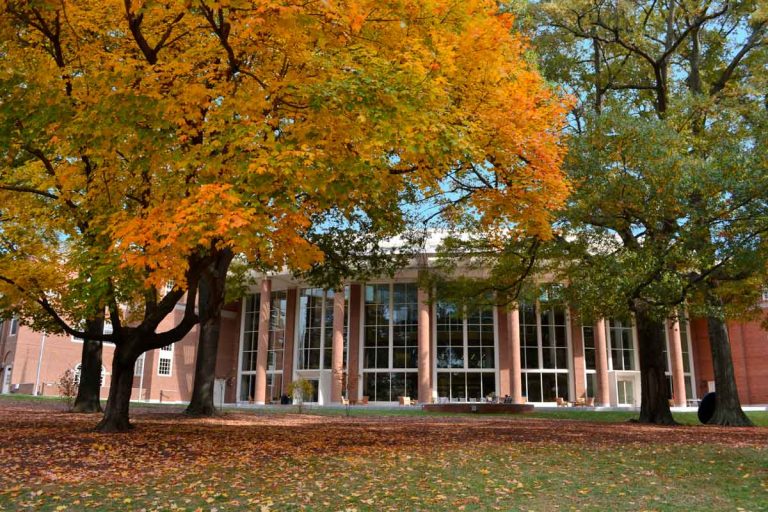
Farrell Hall is one of many buildings on the Wake Forest campus that has achieved LEED Gold standards. The “LEED Gold” designation signifies that a building has demonstrated a substantial commitment to sustainability and a highly efficient design. To achieve LEED Gold certification, Farrell Hall earned 60 points on the LEED scorecard. This level requires the incorporation of cutting-edge technologies, renewable energy sources, and innovative construction methods to significantly reduce environmental impact.
2016
80%
30%
16
1,250+
25-35%
30-40%
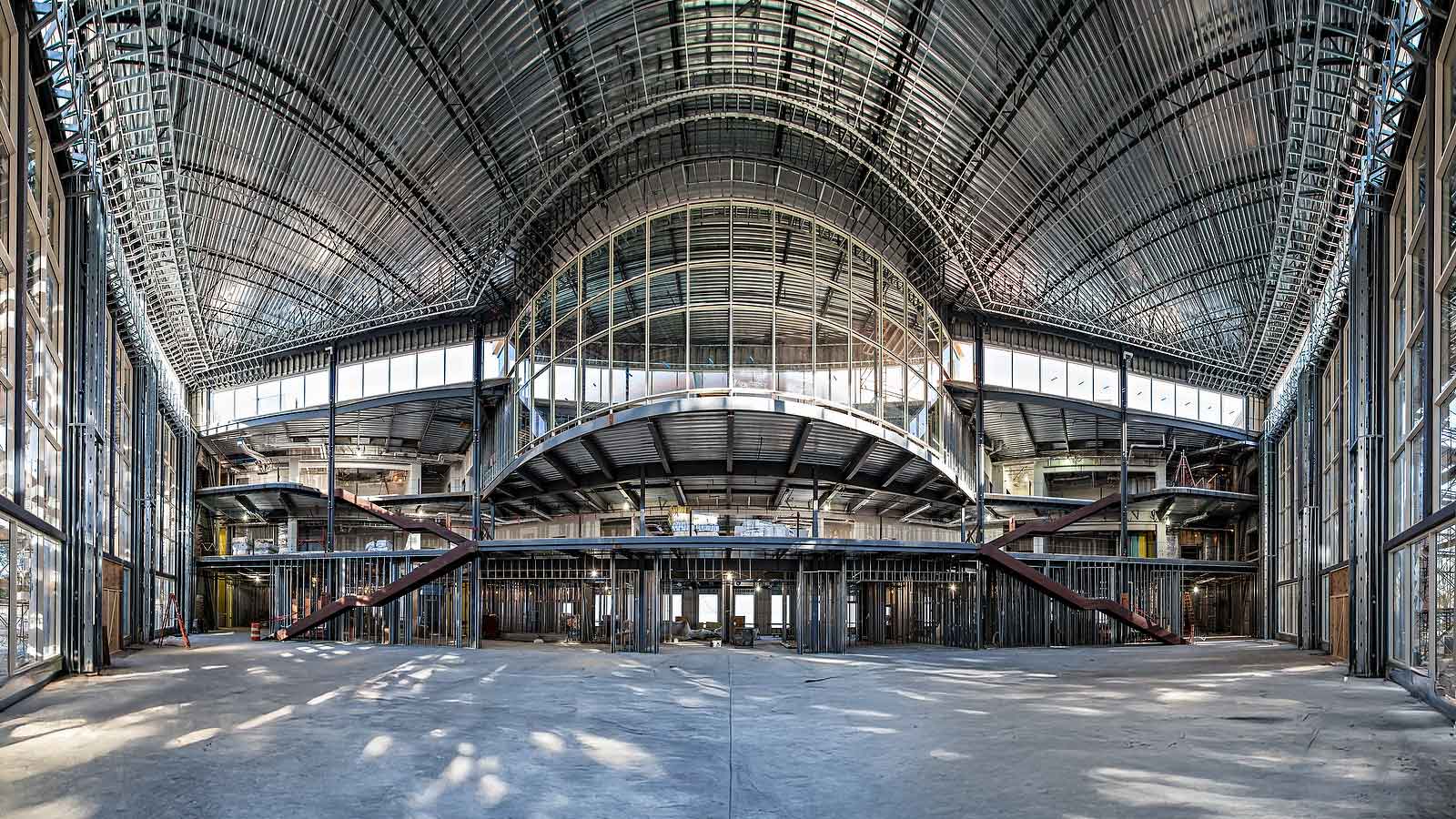
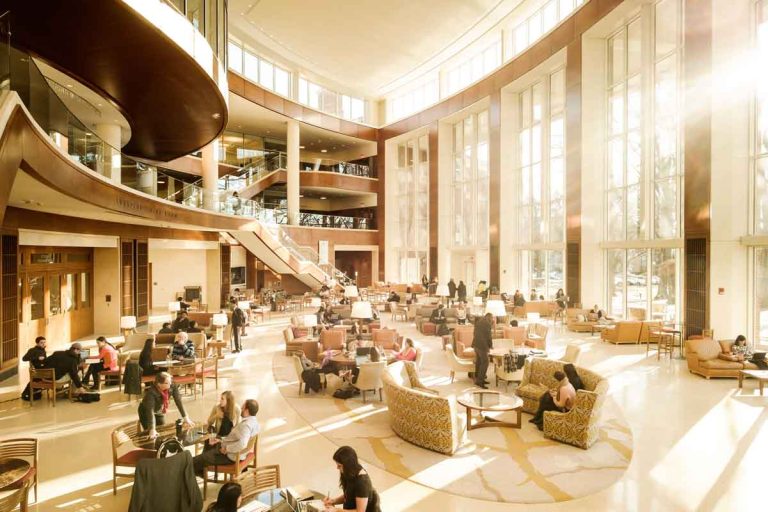
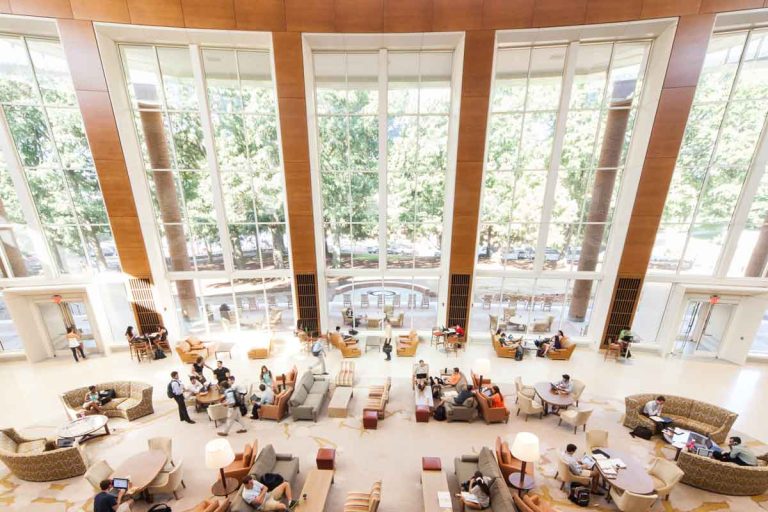
Farrell Hall wasn’t just built to use less energy – it was designed around biophilic principles that recognize humans think, focus, and collaborate better when connected to nature.
Part of a Campus-Wide Commitment
Since 2007, Wake Forest policy requires all new construction to meet at least LEED Silver standards. Farrell Hall is one of 21 LEED-certified buildings on campus – including three Platinum-certified facilities. From solar-panelled dining halls to campus food forests, at Wake Forest, you’re surrounded by infrastructure and ecosystems designed with purpose.
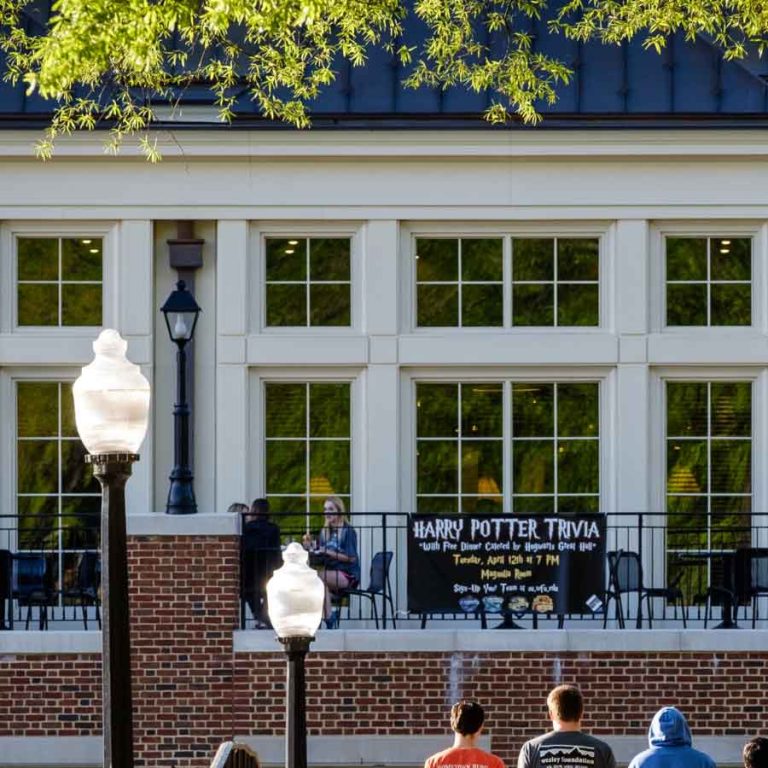
North Campus Dining Hall – Solar-paneled terrace provides up to 10kW of power
The Hall includes an outdoor courtyard where students enjoy coffee or study on the terrace, under the solar-paneled trellis looking out onto Wait Chapel or the trees. A major portion of the landscaping features plants that are indigenous to North Carolina.
Campus Garden
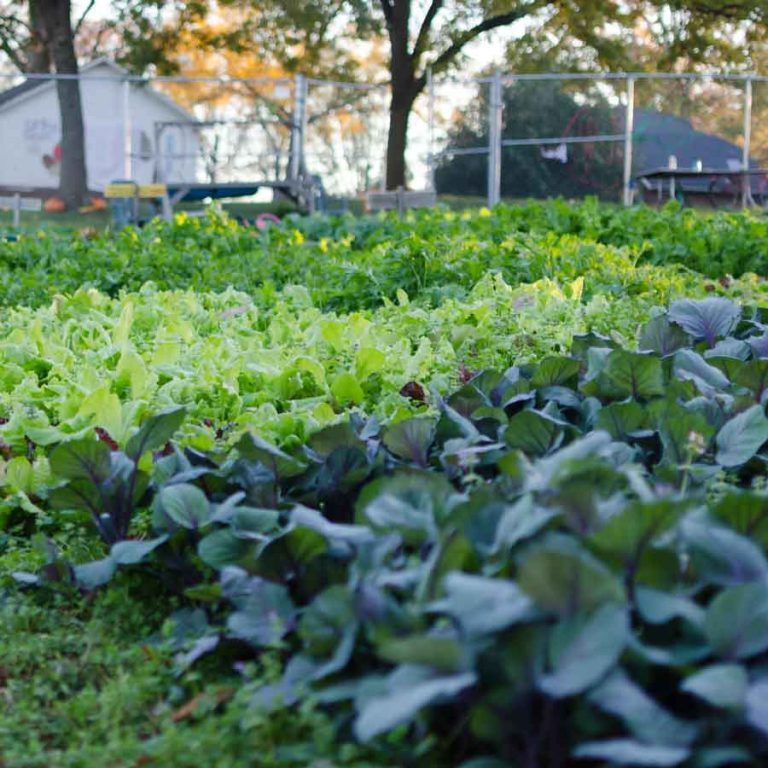
The Campus Garden provides students with hands-on experience in sustainable food production. Most of the produce grown supports Campus Kitchen, connecting sustainable growing methods to real food-access initiatives across Winston-Salem.
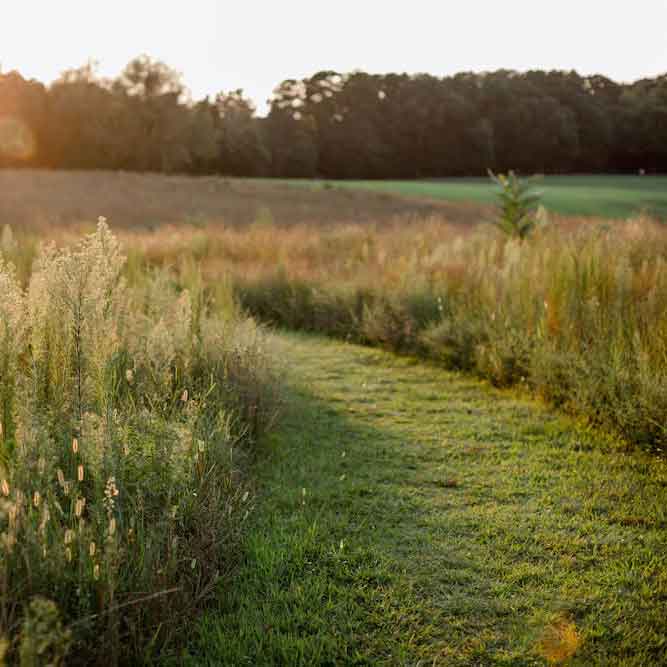
Reynolda Meadow & Trails
A living ecosystem steps connected to campus, with over 2 miles of trails, wetlands, paved pathways, thick woodlands, and an expansive meadow for students to explore and enjoy.
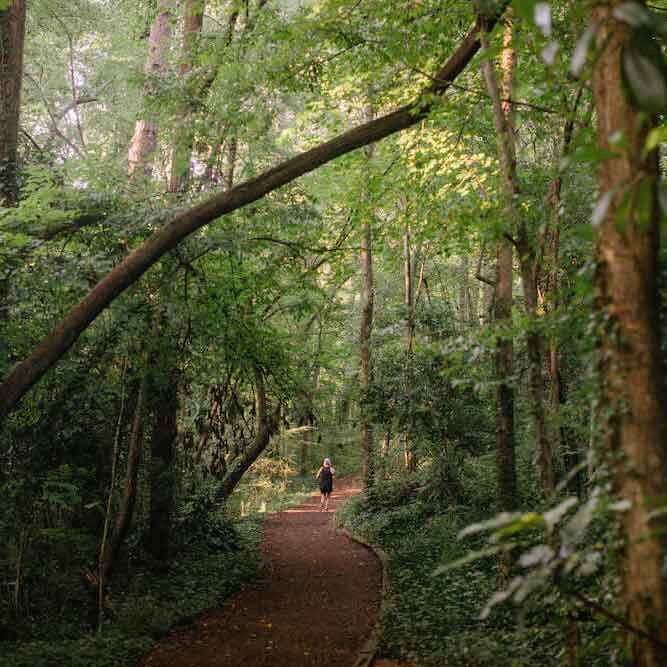
Cross Country Trails
Miles of forest trails weave through campus, offering space to run, think, and recharge.
LEED Certified Buildings at Wake Forest
Farrell Hall is one of many buildings built or rennovated to LEED standards:
| Building | LEED Certification | Date Certified |
|---|---|---|
| Dianne Dailey Golf Education Center | LEED Gold | Fall 2010 |
| Hopkins Hall | LEED Gold | May 2011 |
| Porter B. Bynum Welcome Center | LEED Gold | July 2011 |
| University Activity Space | LEED Silver | April 2012 |
| Farrell Hall | LEED Gold | February 2016 |
| Dogwood Residence Hall | LEED Silver | January 2015 |
| Magnolia Residence Hall | LEED Silver | January 2015 |
| North Dining Hall | LEED Silver | February 2015 |
| Haddock House | LEED Silver | October 2017 |
| McCreary Field House | LEED Silver | May 2018 |
| Angelou Residence Hall | LEED Silver | January 2019 |
| Chris Hurd Player Development Center | LEED Silver | December 2019 |
| Reynold Gym | LEED Gold | March 2020 |
| Sutton Sports Performance Center | LEED Silver | May 2020 |
| Shah Basketball Complex | LEED Silver | June 2020 |
| Harold Pollard Center | LEED Silver | September 2021 |
| Palmer and Piccolo | LEED Silver | January 2022 |
| Wake Forest Biotech Place | LEED Gold | September 2012 |
| 525@Vine | LEED Platinum | January 2014 |
| Wake Downtown | LEED Platinum | April 2017 |
| Bowman Gray Center for Medical Education | LEED Platinum | April 2017 |

