Driven by Purpose, Powered by Tech
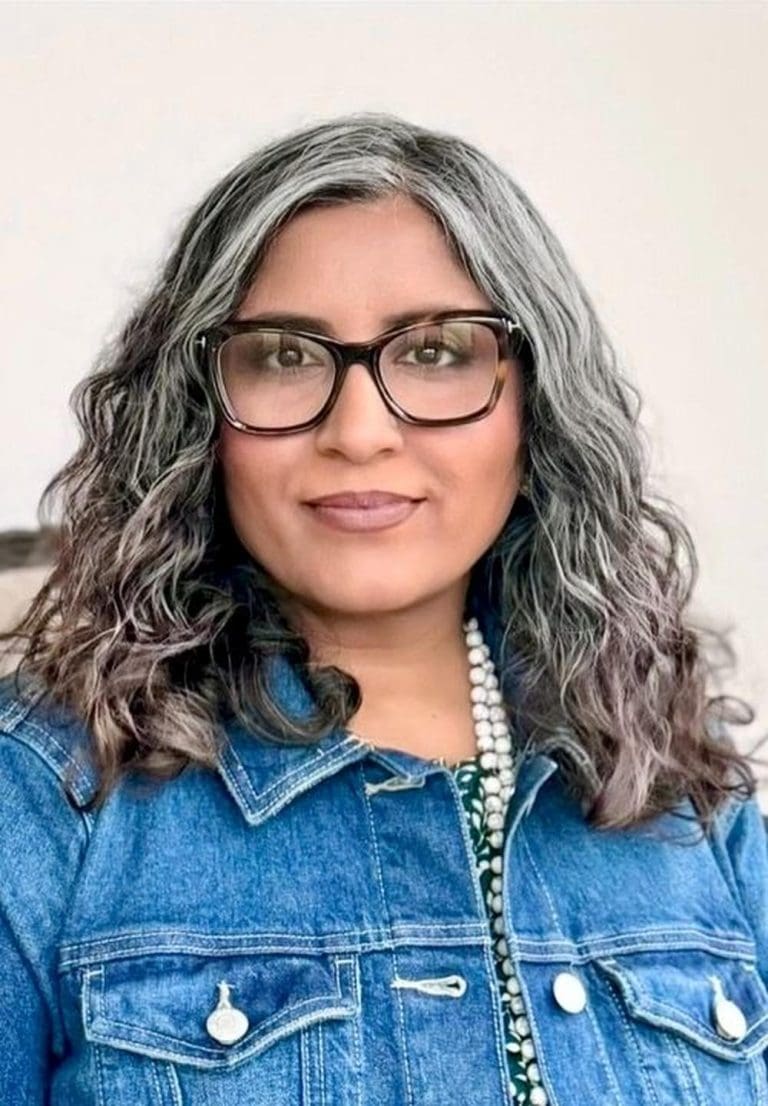
Sunita Uthra (MBA ’24), Vice President, Enterprise Technology, National Council for Mental Wellbeing
The National Council for Mental Wellbeing is the unifying voice of organizations that deliver mental health and substance use recovery services in America. It is a membership organization that drives policy and social change on behalf of more than 3,200 mental health and substance use treatment organizations and the more than 15 million children, adults and families they serve.

Tell me about your current role.
I currently lead the Enterprise Technology Organization at the National Council for Mental Wellbeing. In this role, I am privileged to implement our strategic vision as it applies to business technology, data and cybersecurity.
What unique challenges arise when leading technology for a membership organization in the mental health treatment sector?
After transitioning from large financial services organizations to a nonprofit, I quickly realized how radically different the environments are. While our ambitions and dreams remain just as bold, we must achieve them with leaner resources. This has challenged me to think more creatively and strategically, constantly evaluating how to maximize the impact of every dollar and every team member. Leading technology in this context means prioritizing what truly matters. It’s about doing more with less, without compromising quality or vision. Like any organization, we face constraints, but the opportunity to contribute to a cause that empowers others makes every challenge worthwhile.
What led you to a career at the intersection of technology and mental wellbeing?
My professional journey began with a master’s in computer applications in India and a deep-rooted belief that technology should serve people — not just business goals. After moving to the U.S., I spent several years in the financial services sector, leading large-scale technology initiatives at organizations like Bank of America and Wells Fargo.
Over time, though, I reached a point in both my career and life where I felt called to pursue something more meaningful. I wanted my work to reflect my values — to bring joy, purpose and a deeper sense of fulfillment. Mental health and holistic wellbeing have always resonated with me personally, and a pivotal moment in my life made me truly appreciate the importance of caring for every dimension of one’s health.
That realization became a turning point. It inspired me to make an intentional shift — to use my skills in service of something greater, and to contribute to a cause that truly matters to me.
What is the biggest misconception people have about the role of technology in mental health and substance use treatment?
With the rapid pace of technological change, there’s a common misconception that technology will replace human connection – but that’s simply not the case. When used thoughtfully, technology can actually serve as a bridge to greater wellbeing. That’s the perspective I hope people will embrace. Technology will always transform the way we work, but I see AI as “Assisted Intelligence” – a tool that can help us excel in what we do. Rather than fearing these advancements, we should focus on how to harness them to enhance our lives and the impact we make.
How do you see technology evolving to further support mental wellbeing initiatives in the coming years?
Technology has the potential to transform how we approach mental wellbeing — not just for individuals seeking support, but also for those delivering it. As mental health continues to be recognized as an essential part of holistic health, we’ll see more integrated, tech-enabled solutions that bridge gaps in access, personalization and continuity of care. From digital platforms that offer on-demand support to tools that help providers deliver more coordinated and data-informed care, technology will play a critical role in scaling impact while preserving the human connection at the heart of mental wellbeing.
Why did you decide to pursue an online MBA program? Further, why Wake Forest?
Continuous learning has always been important to me. Earning an MBA had been on my bucket list for years, even though I had already completed a master’s degree in India. I chose to wait until my children were grown so I could fully dedicate myself to this goal. When the time felt right, I began exploring programs that aligned with both my professional aspirations and personal values. That’s when I discovered the Wake Forest program.
At the time, I was living in the Charlotte area and already familiar with its strong reputation and supportive community, which made the decision even easier. The online MBA program stood out for its academic excellence and flexibility that would allow me to balance work, family and school. Having these components within a strong program that aligned with my personal values made me feel like I belonged.
Are there specific courses, faculty, or experiences at Wake Forest that you find yourself drawing upon in your current role?
The Wake Forest faculty are outstanding! Although I was initially nervous about studying economics and finance, the engaging teaching style transformed me into an enthusiast – I even find myself reading SEC reports now, just for fun! The curriculum felt designed to make students feel at home in the classroom. The professors made complex topics relevant to both current events and my daily work, helping me connect the dots in unexpected ways. On top of that, I was surrounded by inspiring peers who made the learning experience even more enriching.
What advice would you give to current Wake Forest students interested in pursuing a career in non-profit technology leadership or the mental health sector?
Regardless of the sector, my advice is always the same: Cultivate lifelong learning, curiosity and ambition. Lead with empathy and kindness. Grace and strength go hand-in-hand, especially in mission-driven work. Connecting people and leading with the heart is just as important as your technical skills.
Looking back, what’s one piece of career advice you wish you had received earlier?
As an introvert who was not as confident early in my career, one piece of career advice I wish I had received was that it is OK not to have all the answers! Confidence does not come from knowing everything, it comes from believing in your ability to learn, grow, adapt and help others along the way. Believe in yourself. If you have a learning mindset and a heart that radiates empathy, nothing can stop you from pursuing your dreams!
Spotlight interview conducted by Alumni Council member Forest Richardson Kocis (BS ’18, MSBA ’19).
